 13-04-26, 11:21
|
#2
|
Join Date: Feb 2011
Posts: 50,659
Thanks: 28,768
Thanked 14,429 Times in 10,235 Posts
|
 Artemis II First images Four Astronauts Back Home Now Comes The Hard Part
Artemis II Mission Was a Triumph. Now Comes The Hard Part
Artemis II mission has successfully sent four astronauts sweeping around the far side of the Moon and landed them safely back home.
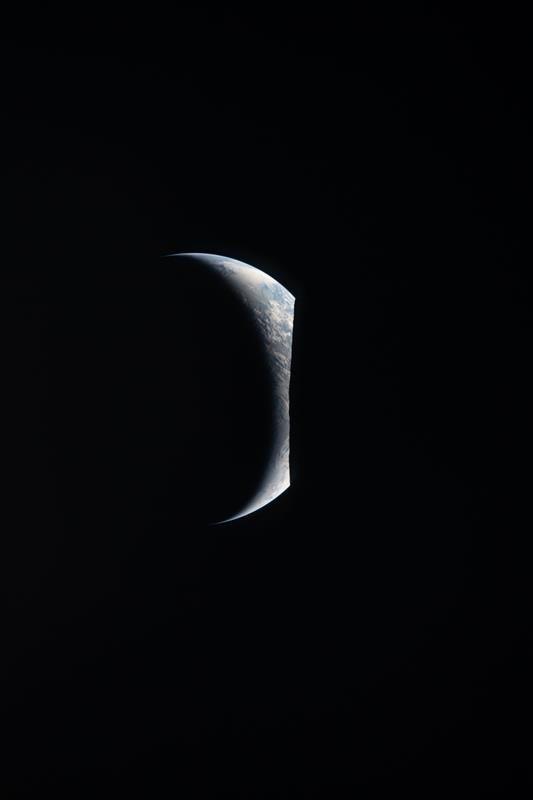
Earthset and a solar eclipse Nasa releases first images from Moon flyby
BBC13 APR 2026
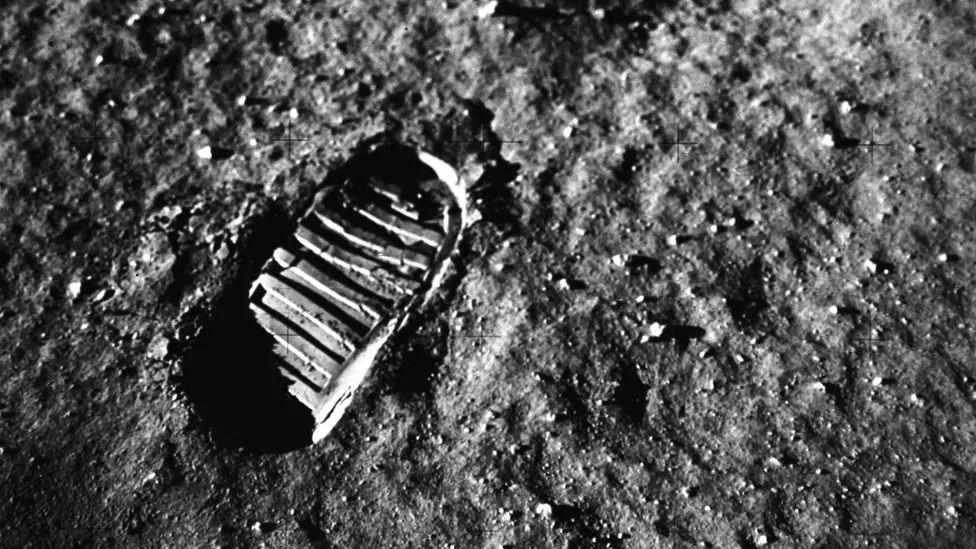
Who will be the next human to leave their footprint on the surface of the Moon?
They were the pioneers of space exploration the 24 Nasa astronauts who travelled to the Moon in the Apollo missions of the 1960s and 1970s.
Not since the end of 1972 has a human set foot on the lunar surface.
But with the success of Artemis II, the race to return to the Moon is heating up once again.
China is aiming to put people on the lunar surface by the end of the decade, having successfully landed a probe on the far side of the Moon in June 2024, and India also harbours ambitions.
However, with a crewed landing not expected before May 2028 at the earliest, with Artemis IV, the fact remains that the number of people who can say they have set foot on our only natural satellite is still diminishing.
The Orion spacecraft performed admirably and the images the astronauts captured have delighted a whole new generation about the possibilities of space travel.
But does this mean that the children enthralled by the mission will be able to live and work on the Moon in their lifetimes Perhaps even go to Mars, as the Artemis programme promises
It seems churlish to say, but looping the Moon was relatively easy. The really hard part lies ahead, so the answer is maybe, maybe not...
They were the pioneers of space exploration the 24 Nasa astronauts who travelled to the Moon in the Apollo missions of the 1960s and 1970s.
Not since the end of 1972 has a human set foot on the lunar surface.
But with the success of Artemis II, the race to return to the Moon is heating up once again.
China is aiming to put people on the lunar surface by the end of the decade, having successfully landed a probe on the far side of the Moon in June 2024, and India also harbours ambitions.
However, with a crewed landing not expected before May 2028 at the earliest, with Artemis IV, the fact remains that the number of people who can say they have set foot on our only natural satellite is still diminishing.
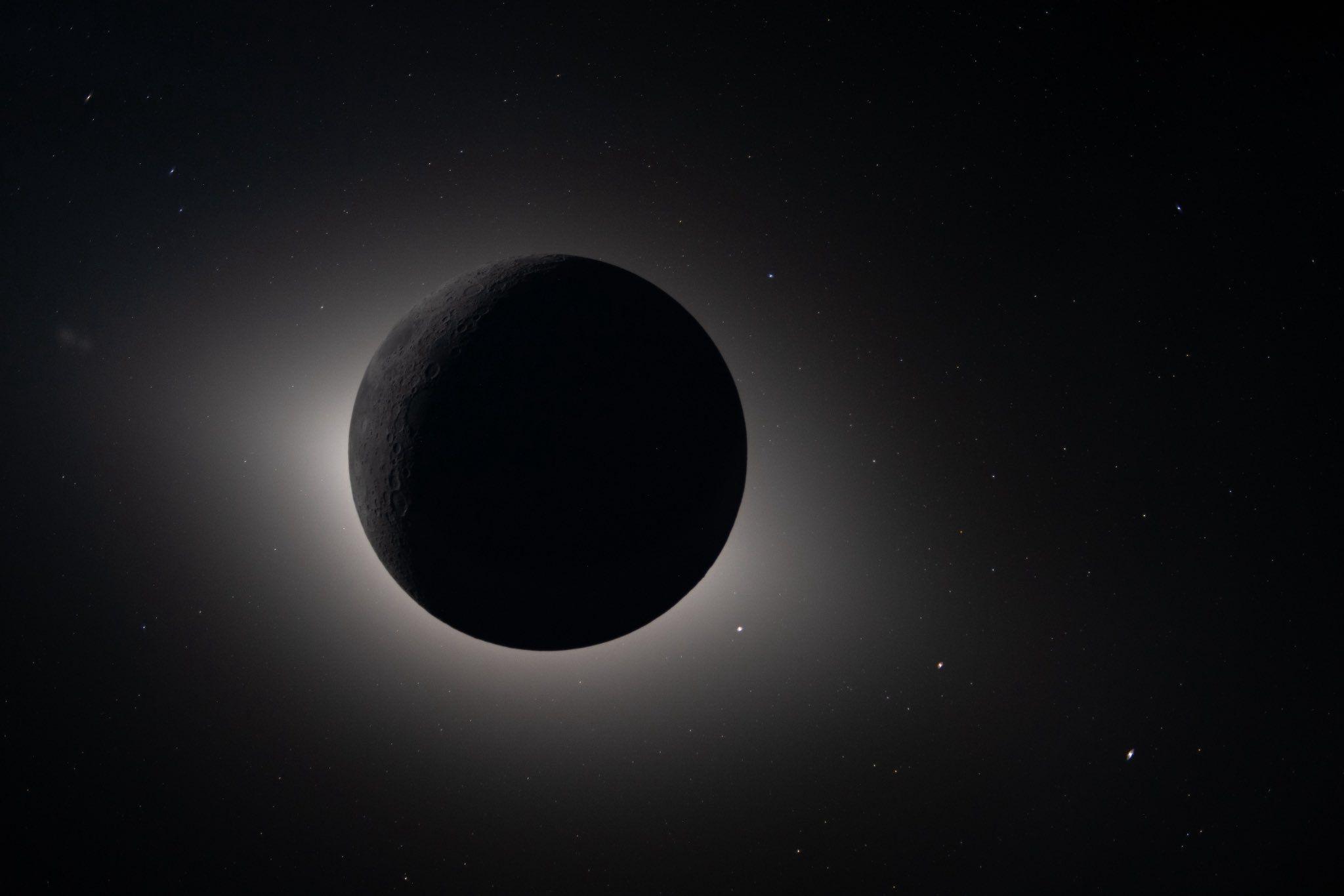
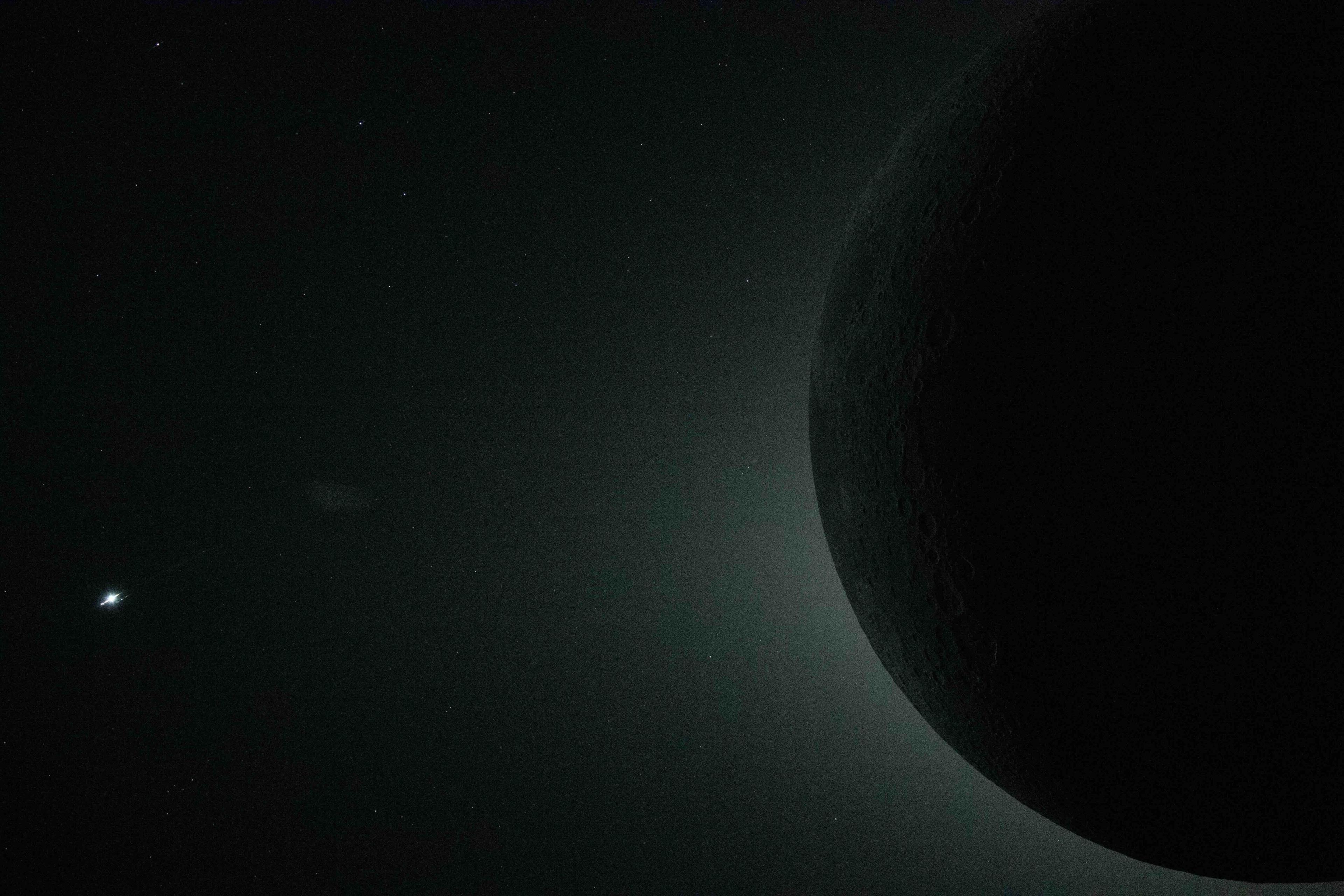
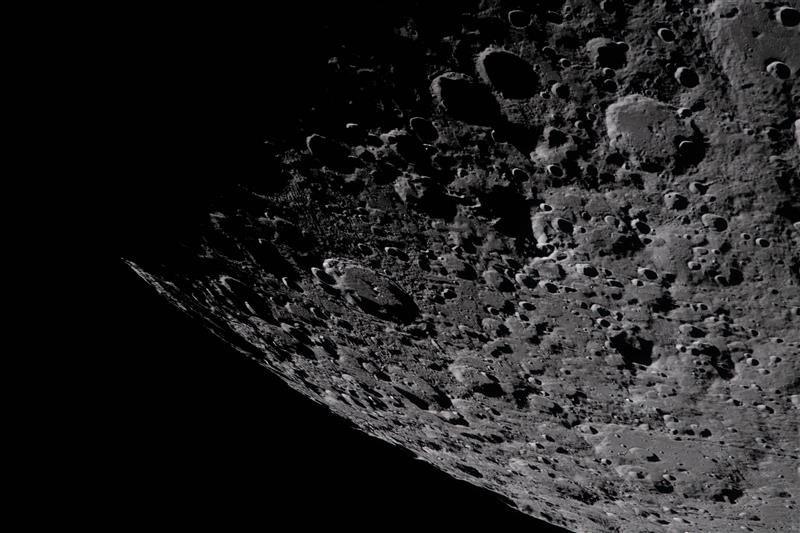 While satellite photographs have been taken of the Moon's far side in the nearly five decades since the last human landing in 1972, Nasa said that the astronauts seeing it with their own eyes during the flyby was invaluable.
The crew recorded audio descriptions of what they were seeing, and Nasas scientists will be poring over these notes for new information.
The following photograph shows Earthrise as our planet came back into the astronauts view after their time behind the Moon.
ARTEMIS II Splashdown See Astronauts Return to Earth
https://www.youtube.com/watch?v=5NEggoSltXI
|

|

|